

History of ELEM
In the late 70s and early 80s, it was very common for American donors to support causes in Israel that had to do with science, art, universities, museums, and hospitals. There wasn’t yet an awareness of the need for humanitarian support in the way there is today. The group that came together and ended up establishing ELEM wanted to help people directly. Moreover, they wanted to help youth, preferably in the periphery of Israel.
ELEM’s first decade was challenging because the government believed it was only their role to care for the youth, not NGOs or volunteers. ELEM had some changing of hearts and minds to do. Eventually, the organization became a trusted partner with the Youth Protection Authority and a household name in Israel.
ELEM's story begins in New York City.

1979
Ann Bialkin, Head of the Juvenile Criminality Department at the Jewish Board of Family and Children's Services (JBFCS), meets Saviona Rotlevi, a young judge from Israel, where she hears about neglected youth who were turning to crime. The seeds that led to ELEM’s establishment are planted during their lunch on Madison Avenue.
1980
Ann, inspired to explore the issues up close, travels to Israel with multiple friends, many of whom were social services professionals. They visit youth institutes and learn about the youths’ challenges. Upon returning to New York, Ann and Saviona bring in Yosefa Steiner, who was in New York on behalf of the Israeli Ministry of Welfare to get her doctorate in psychology.
Between Ann, Saviona (with her background with criminal youth), and Yosefa’s background working with young women in distress, they were ready to go.
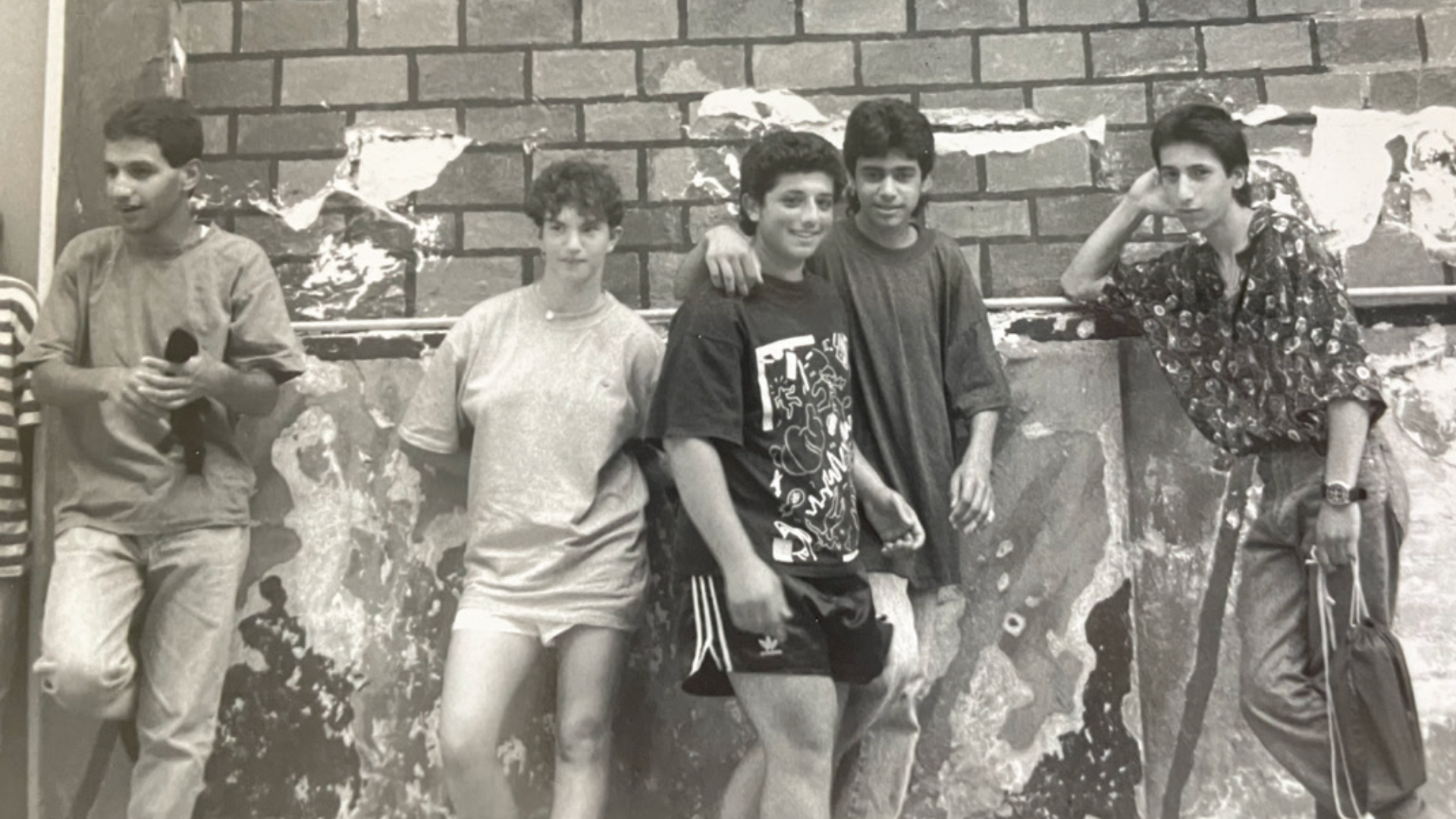
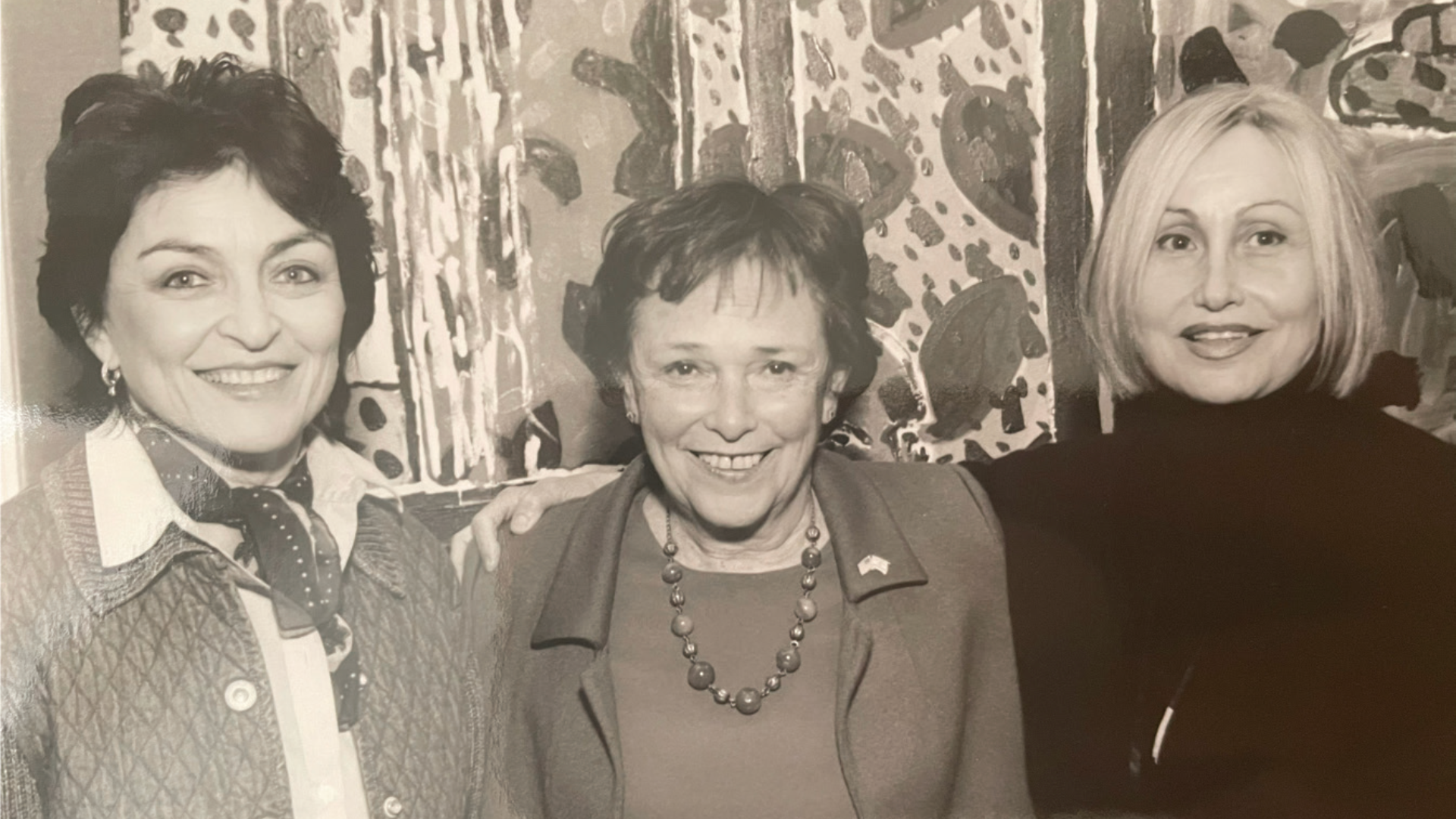
1981
The group that visits Israel wants to do more for troubled youth than just contribute financially. Since many of them are from the social services field, they want to advise, provide ideas, and be a part of developing something completely new. That core group includes Aaron and Nusia Chilewich (Holocaust survivors), Yossi and Atara Ciechanover, Dina Recanati, Nina Weiner, Vera Stern, Dr. Bonnie Jacobson, and others.
1982
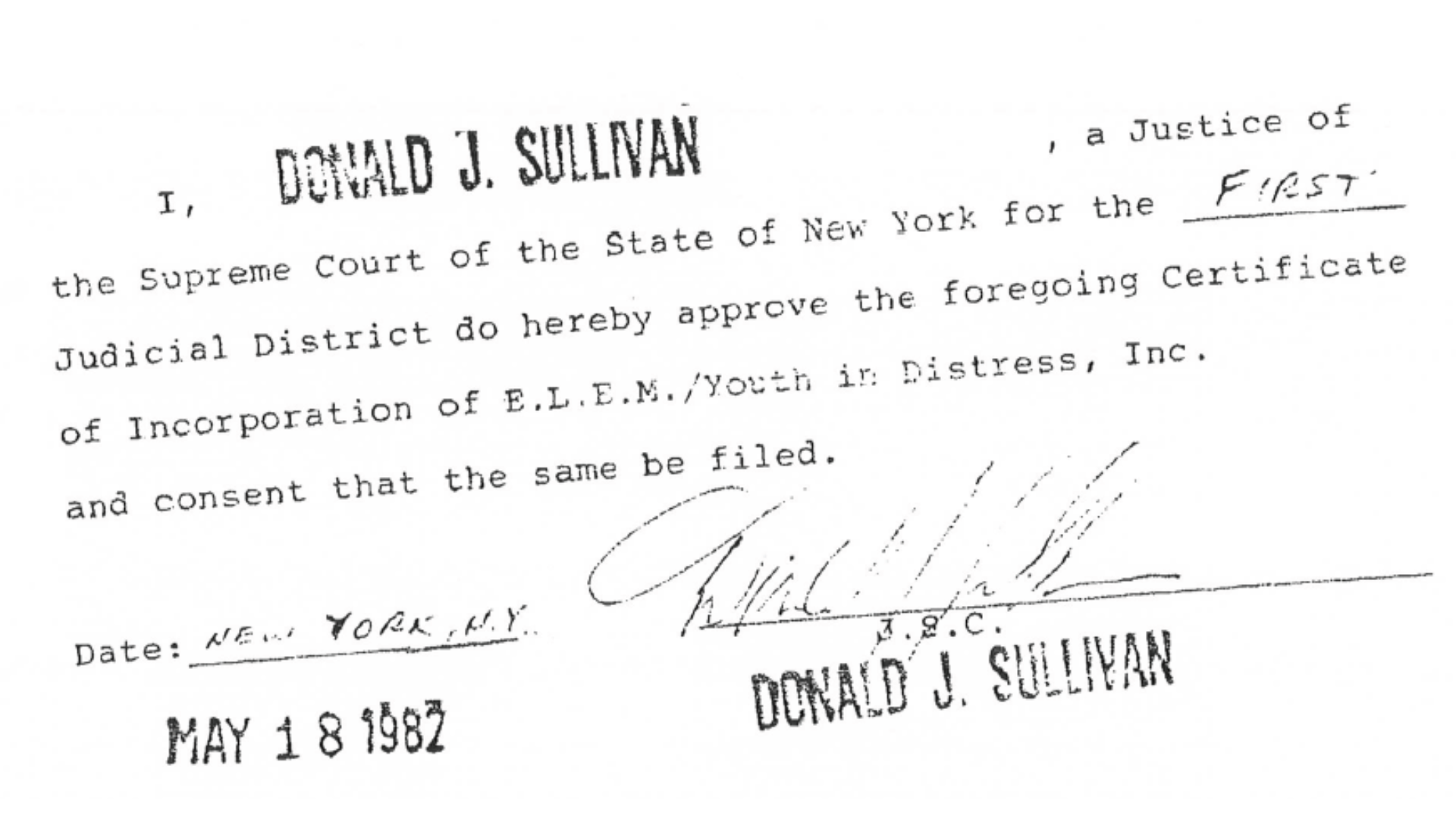
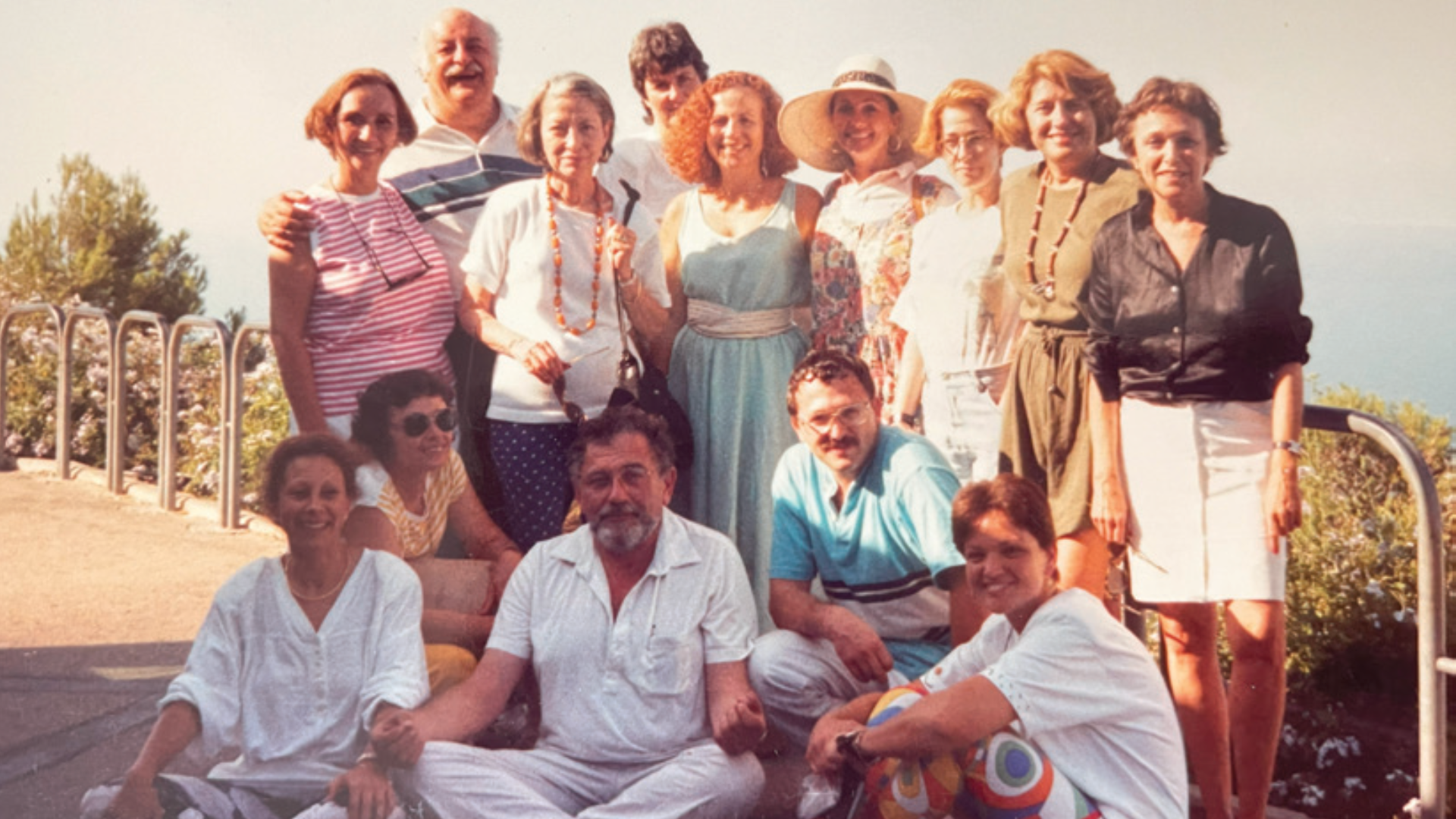
ELEM is established in the United States to provide counsel and develop programs for youth. The first CEO is Hasia Yifat. Her husband, Yitzchak, is known from the famous photo of the reunification of Jerusalem during the Six-Day War.
1983
ELEM is established in Israel. Soon after, a first day-center is opened in Kiryat Gat, one of four centers planned to be built in Israel's periphery. Since the very beginning, ELEM uses an individualistic approach: giving every youth what they specifically need. It is crucial to offer multiple alternatives – hostels, group homes, treatment within the community, centers for observation and diagnoses, and later on, outreach through vans and other means. The core idea is to get to know the youth and, based on the assessment, decide which solution fit them best. ELEM’s settings are always informal, even in that first center located in Kiryat Gat.
1986
ELEM’s first program in Jerusalem – a community hostel – opens, marking the beginning of continuous work in the Israeli capital. Youth visit the hostel not only from Jerusalem itself but from the entire country.
1991
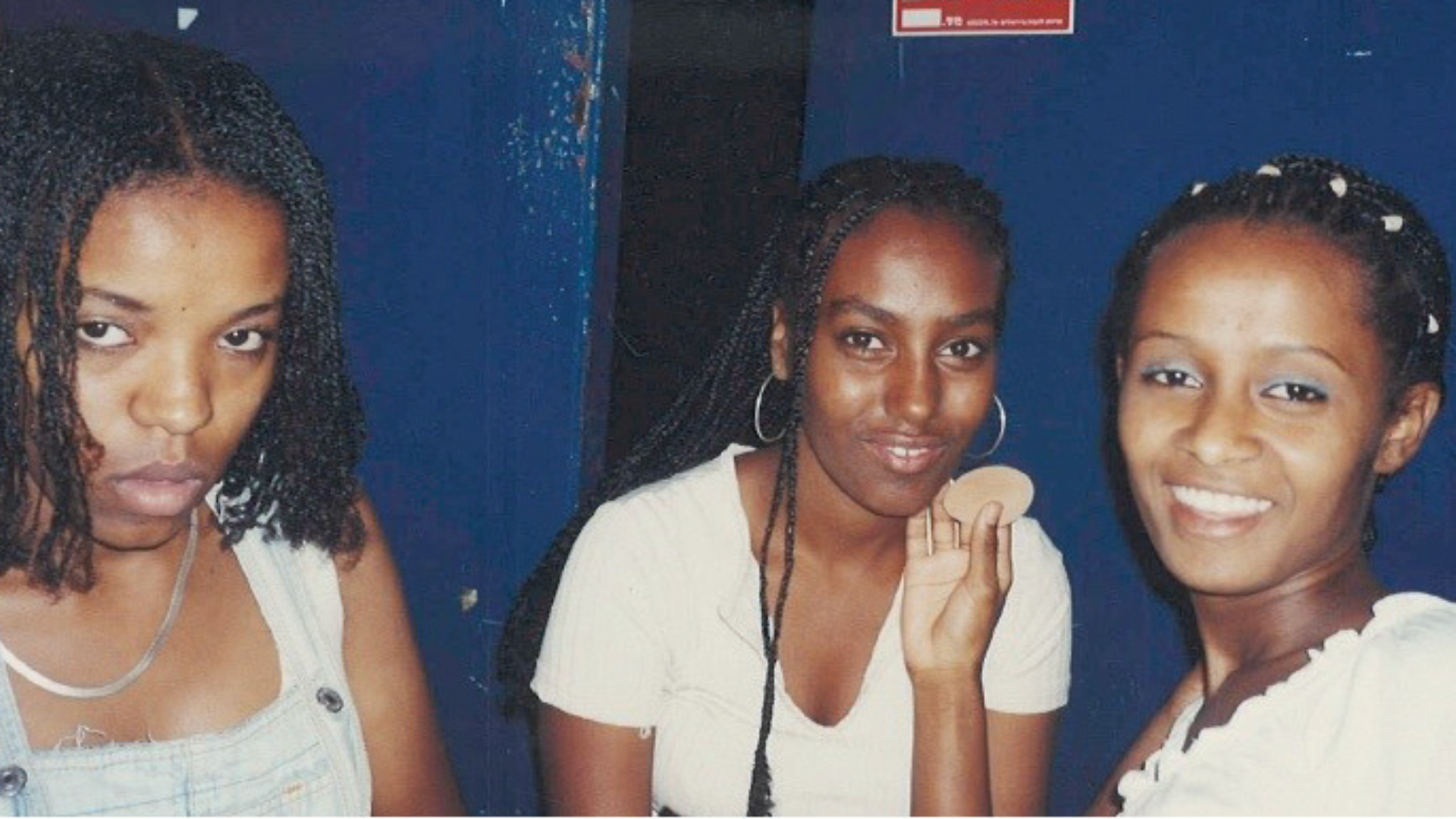
ELEM launches a field for multiculturalism, focusing on the unique characteristics of all the diverse communities in Israel, including the Arab community and immigrants from the former USSR and Ethiopia. The field offers, among other services, professional training to immigrant teenage girls.
1993
ELEM’s first drop-in center for homeless and runaway youth opens in Tel Aviv. Its name is Makom Acher (A Different Kind of Place).
1995
Dolphin, a community hostel for girls at high risk, opens in Ashdod, marking a new era in ELEM’s work with girls at extreme risk who are often involved in prostitution, severe drug addictions, and homelessness. This is also the first hostel for teenage girls to open in Southern Israel.
Meanwhile, at Tel Aviv’s Central Bus Station, ELEM launches Another Kind of Coffee – the first youth counseling center and a new model and concept for what was to become ELEM’s network of Coffee & Small Talk centers.
1996
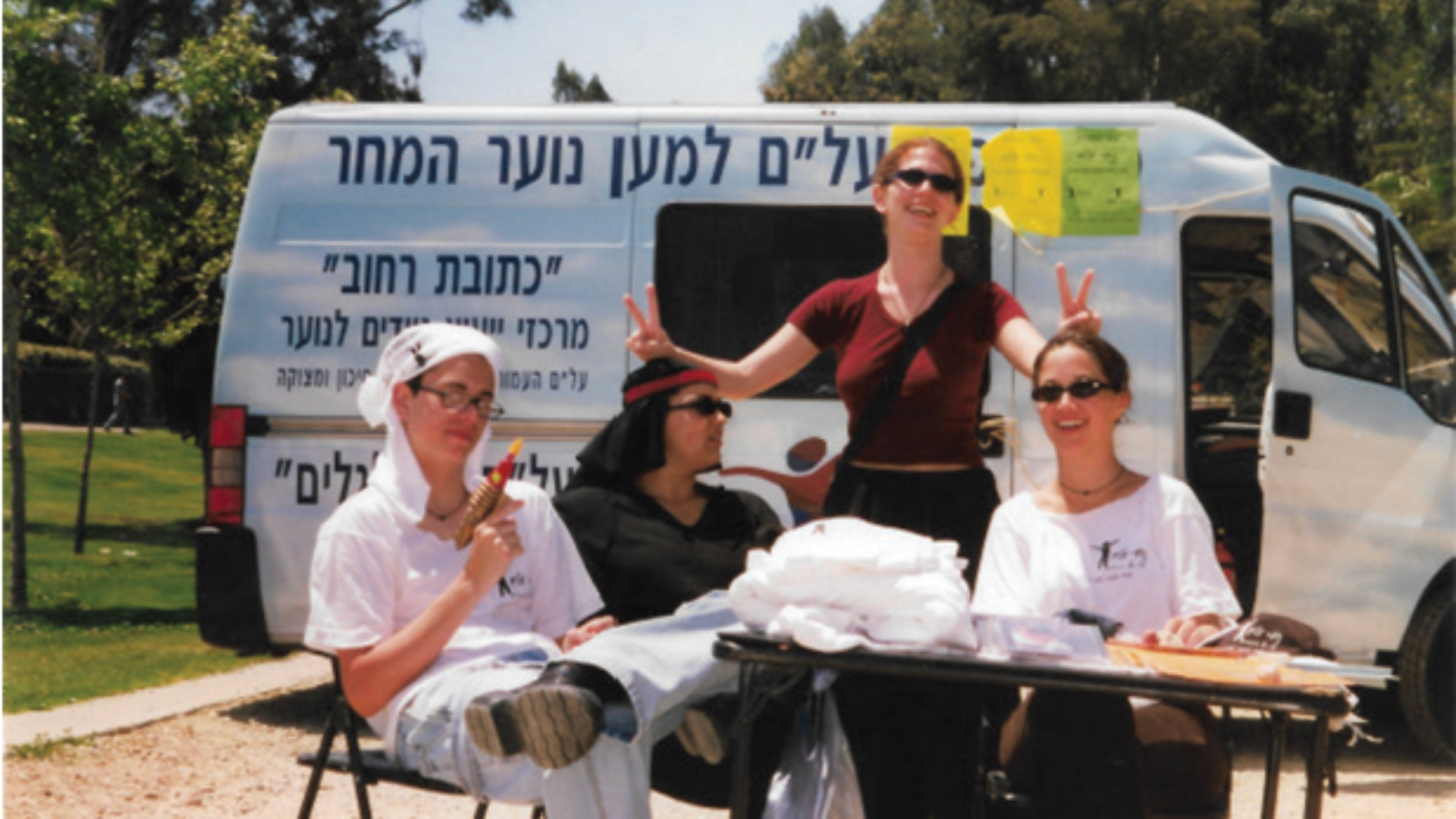
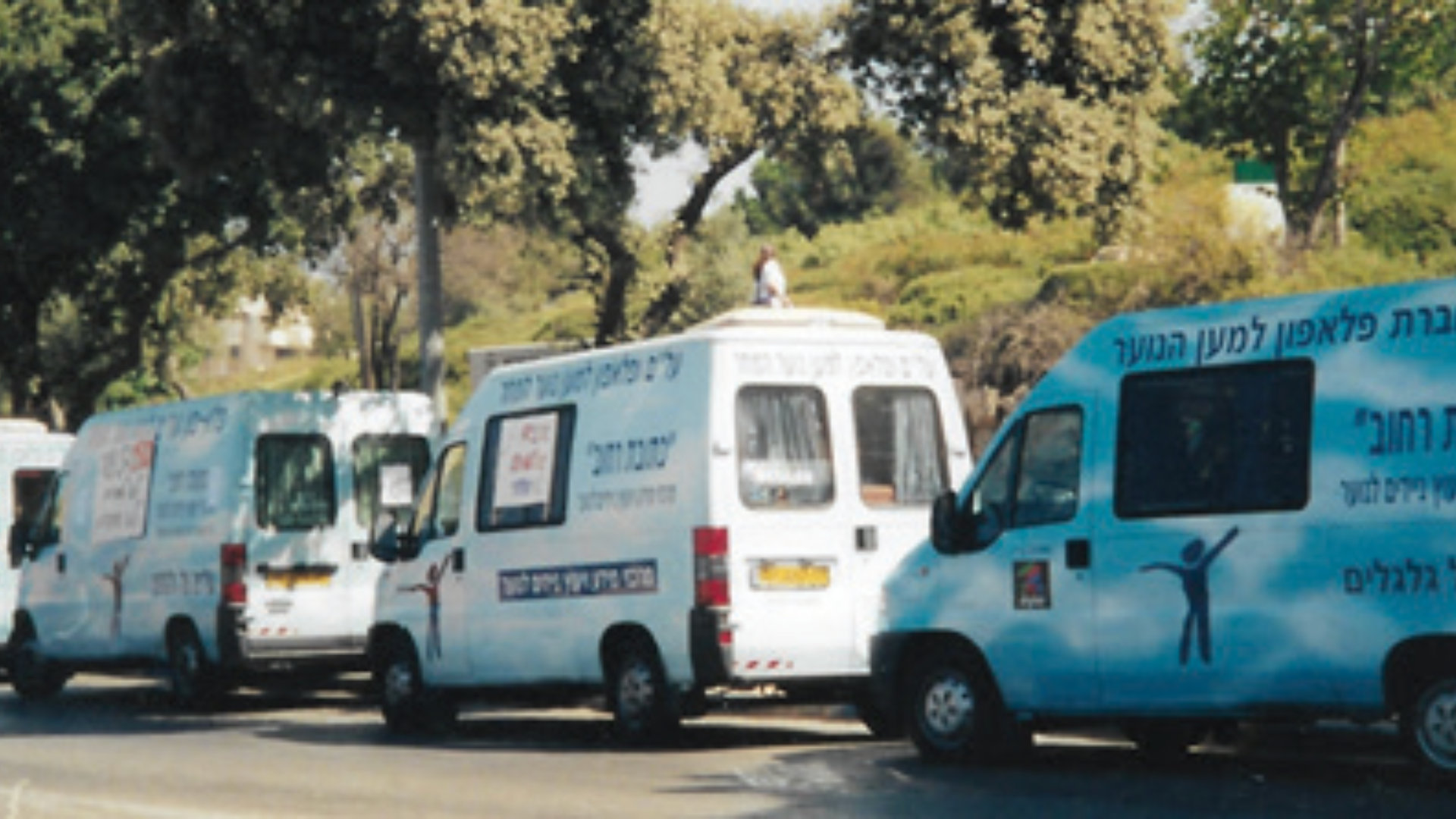
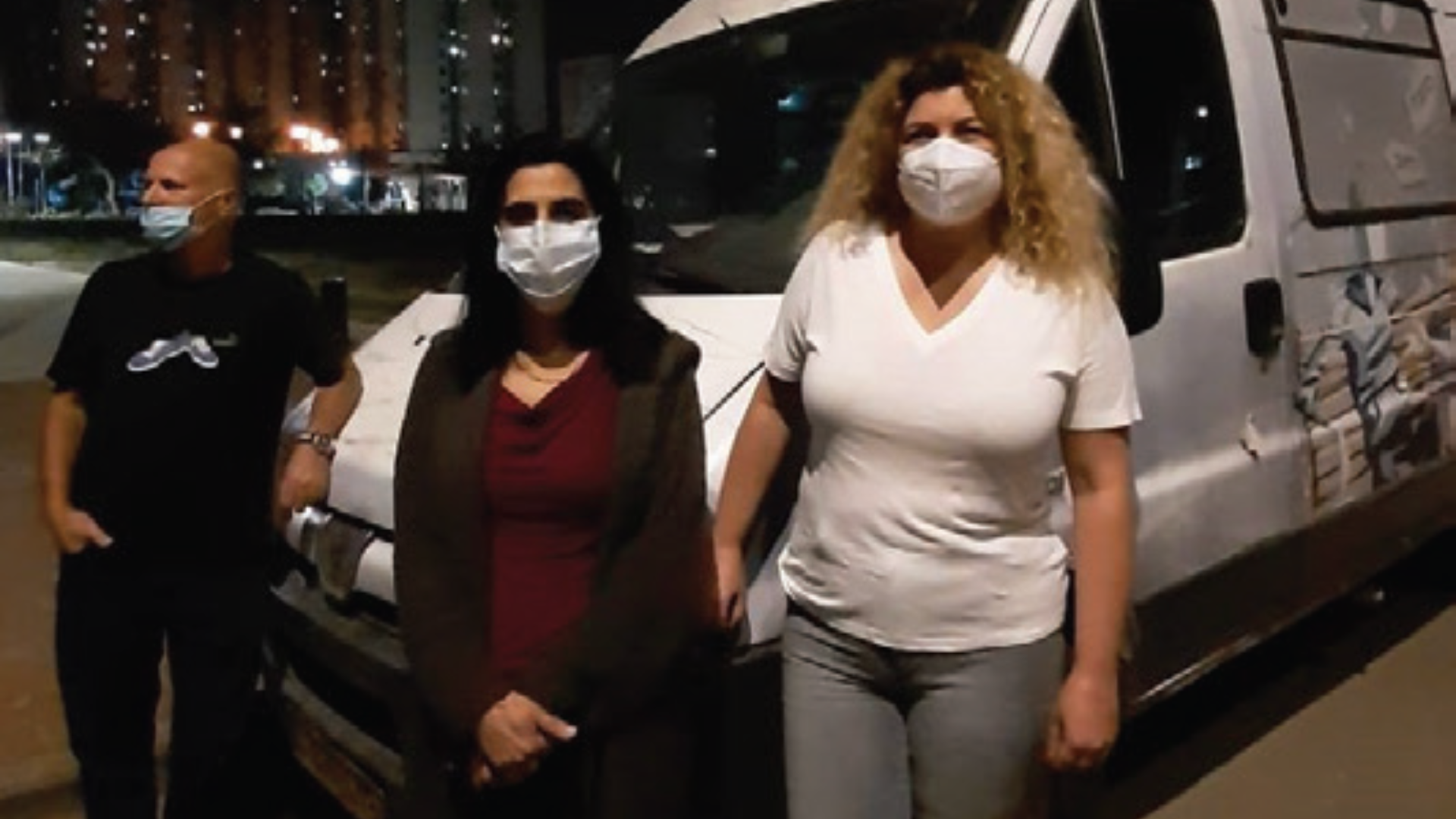
ELEM establishes one of its major flagship programs: Outreach Vans. Instead of waiting for the youth to come to ELEM, ELEM goes to them. The vans are parked in parks, beaches, and hang-out spots where staff offer food, warm beverages, a chance to play a game or an instrument, and engage in conversation.
Working in different communities makes the need to deepen multicultural work evident. In the same year, ELEM’s work with immigrants expands. The organization is the first to consider multiculturalism a factor in treating youth. Staff need a deep understanding of the cultural background of each youth, which becomes a cornerstone of ELEM’s treatment that exists to this day.
The same year, ELEM establishes the first branch of its Center for Sexual Abuse, dealing with both victims and offenders and working for early intervention.
1997
ELEM’s Erim Balayla (Awake at Night) program is created to decrease the commercial sexual exploitation of children and youth. It is approved and budgeted by five committees at the Knesset, allowing ELEM to work with youth in prostitution on a bigger scale. This program later becomes known as HaLev (The Heart).
1998
Liliyot Restaurant and Social Business opens in Tel Aviv, providing vocational training for high-risk youth who are employed there and have a chance to not only learn a profession but also have a steady routine.
1999
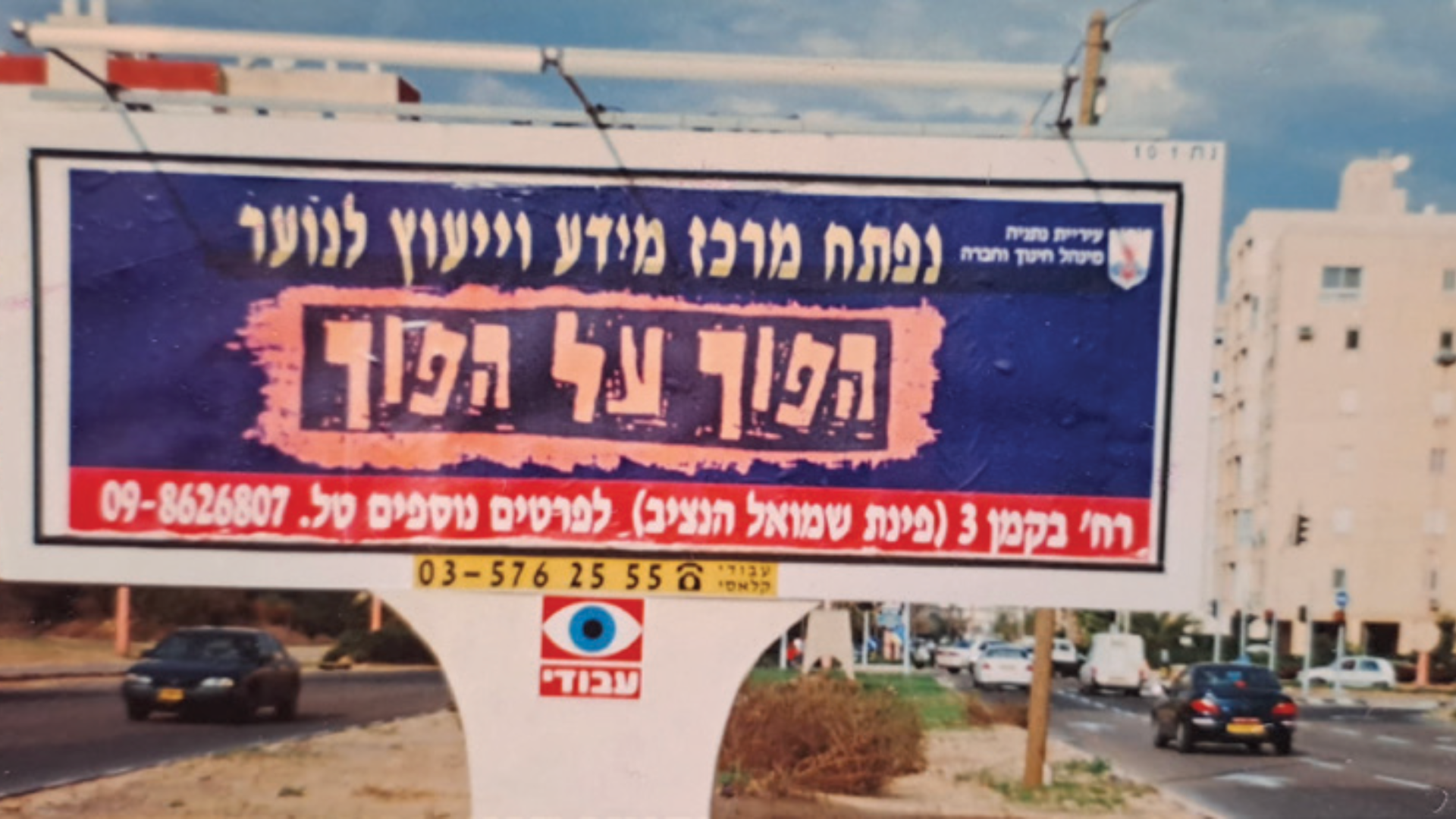
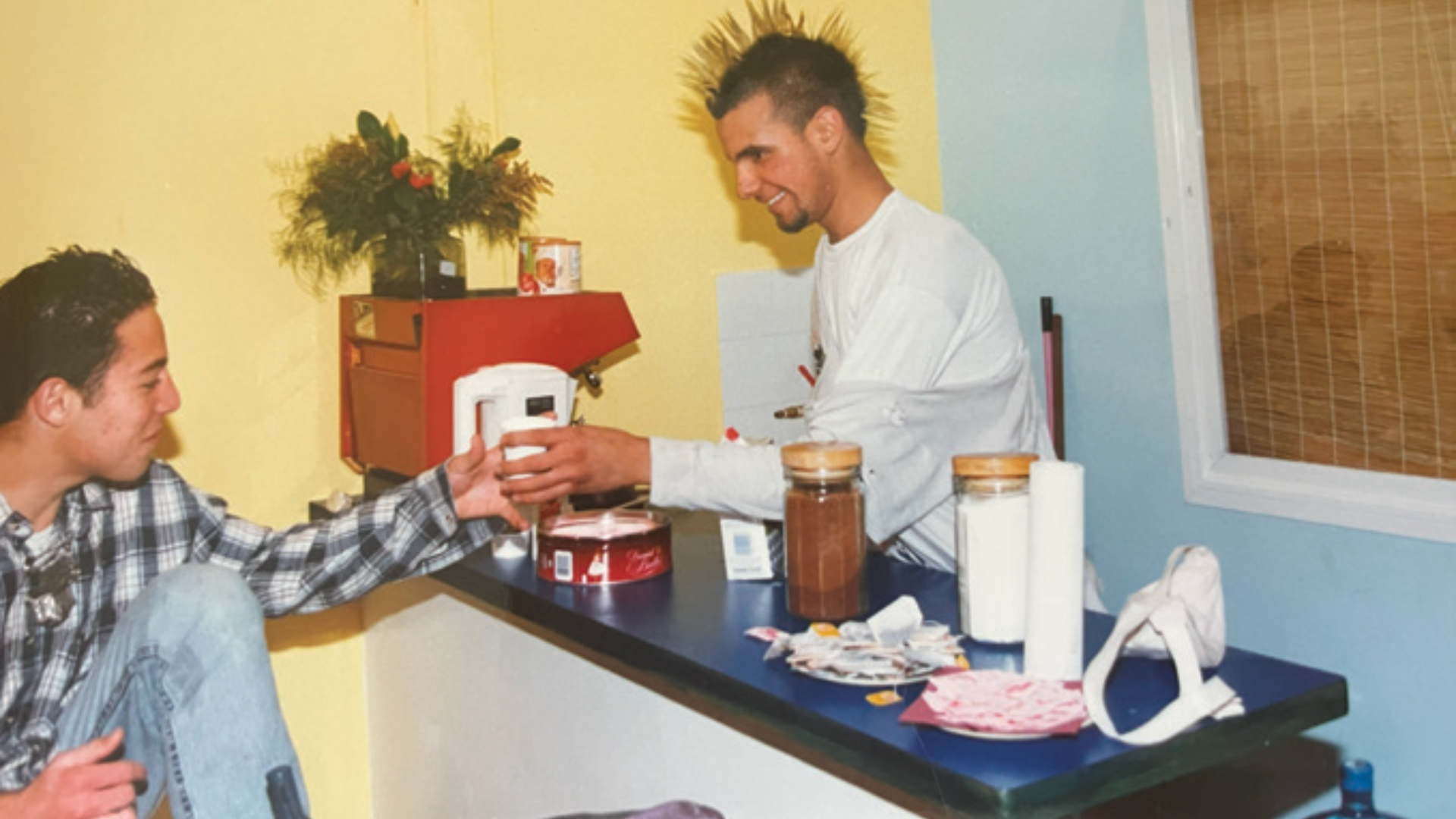
ELEM establishes a network of counseling and information drop-in centers designed to look like coffee houses. These drop-in centers exist today, offering youth an after-school alternative to roaming the streets.
Between 1999 and 2003, ELEM opens a total of 18 centers. These centers also provide skill development and workshops on topics like writing, music, photography, and sports.
ELEM’s Beit Dror program, a first-of-its-kind home for LGBTQ youth, opens in Tel Aviv a couple of years before the Israel Gay Youth Association is established. ELEM, always the trailblazer, realizes that LGBTQ youth are not integrating well into other shelters for homeless youth. The center is opened in collaboration with the Tel Aviv Municipality and Youth Protection Services. This comes about following inquiries and academic research in partnership with Israeli LGBTQ organizations.
2000
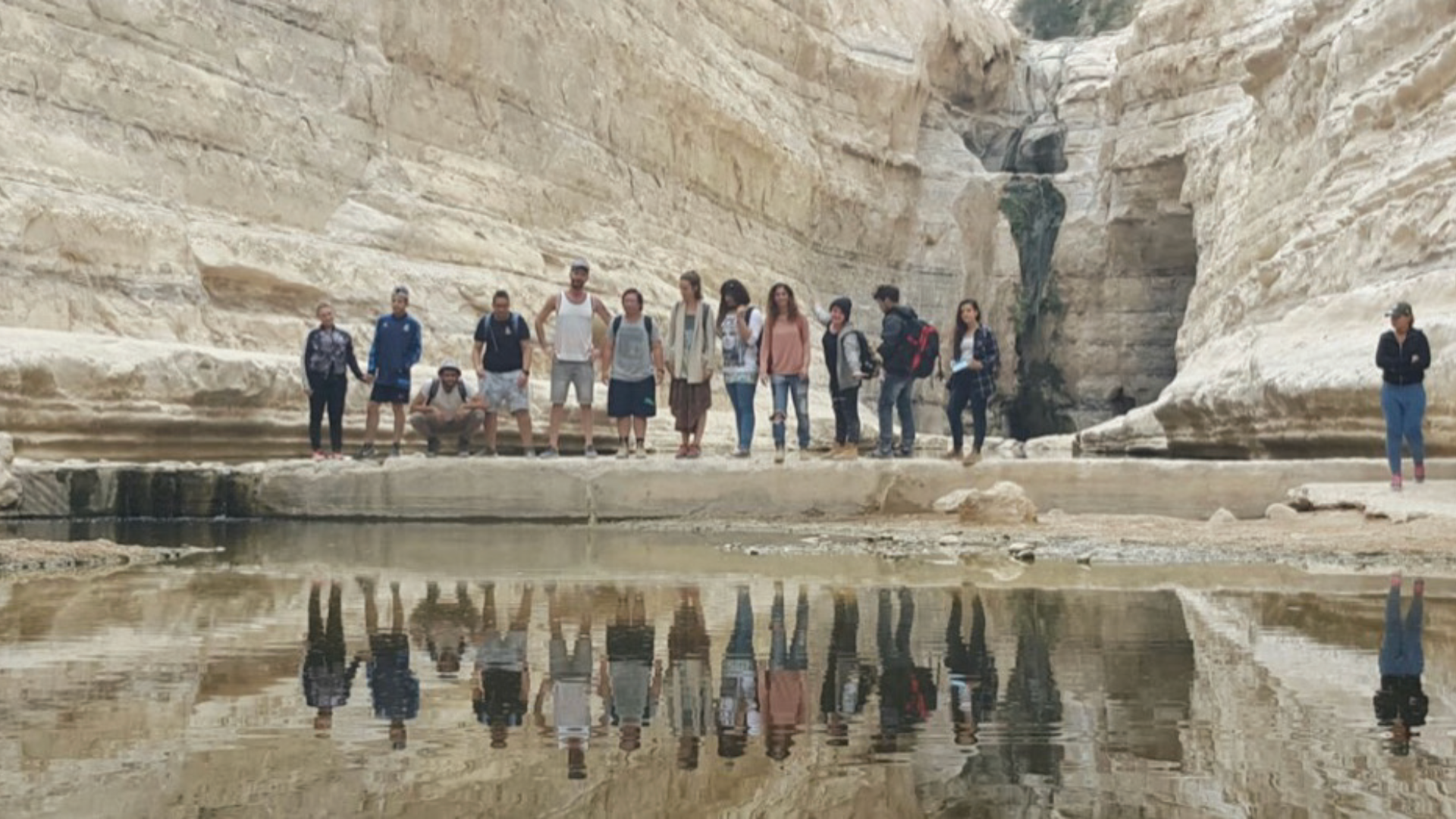
ELEM’s Someone to Run With program, its first 24/7 shelter, is launched, serving teenage boys and young men.
ELEM also launches a yacht program at the Herzliya Marina for naval training of court-adjudicated at-risk youth. This program also includes a hostel and serves as a new avenue for youth on the fringes of society.
In addition, 90 members of the Knesset sign ELEM’s “Fight Against Violence” declaration that year. Among the signatories are the then Minister of Education, Yossi Sarid, former Prime Minister Ariel Sharon, and former Prime Minister Ehud Barak. Hillary Clinton, former Secretary of State who served as a U.S. senator at the time, also signs the declaration.
2002
ELEM wins the Speaker of the Knesset Award, proving that the impact of its work did not go unnoticed.
2004
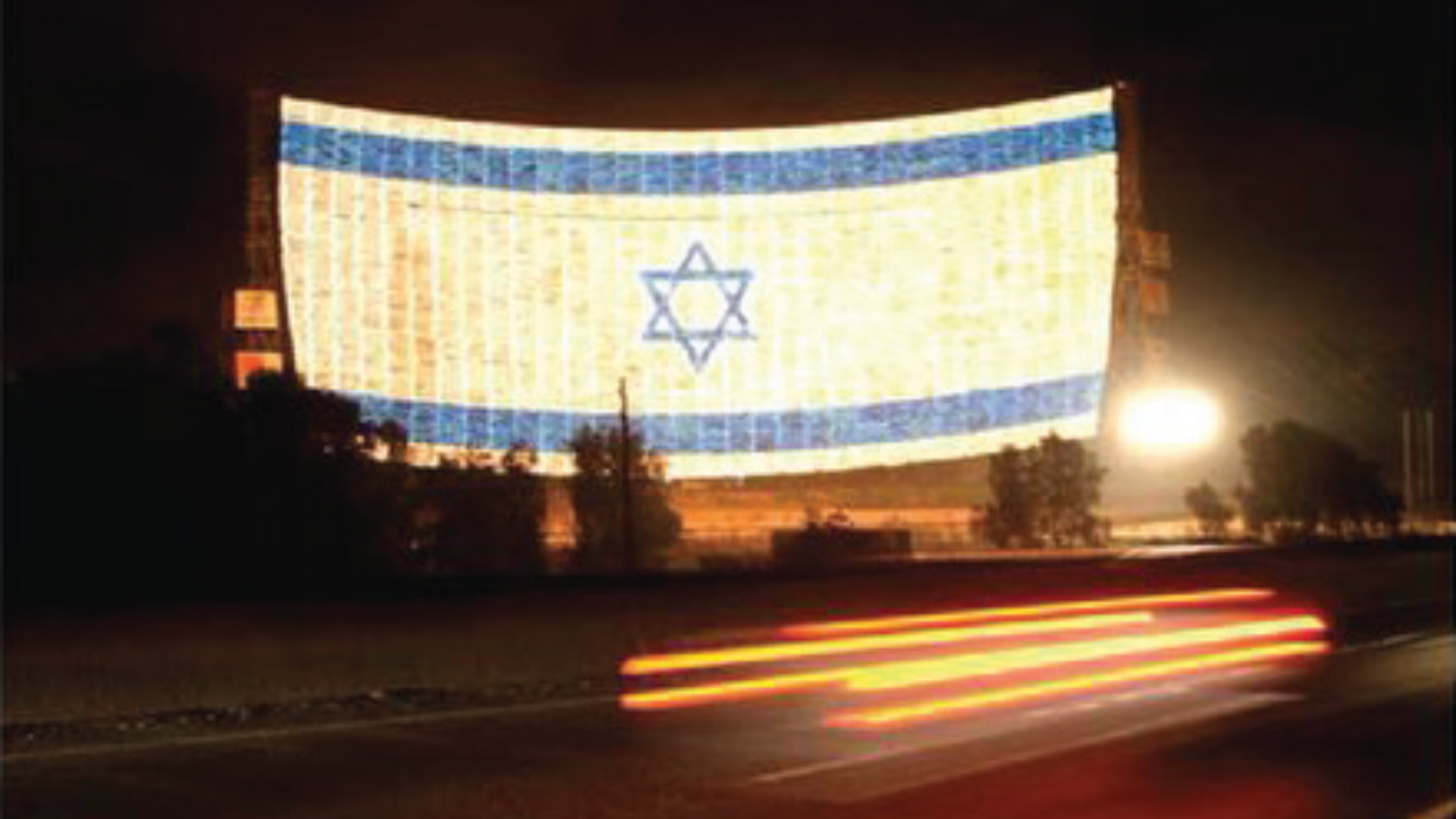
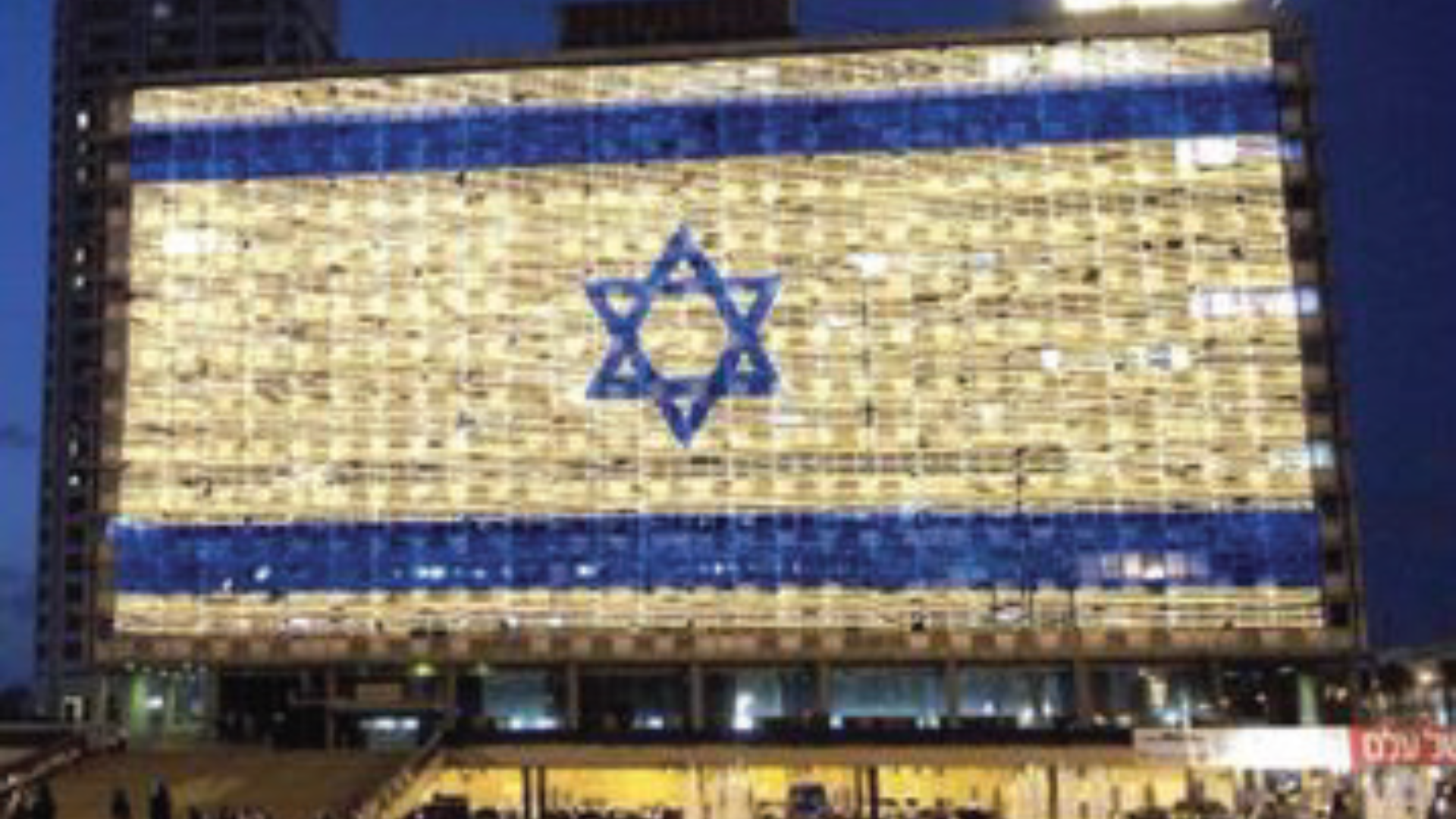
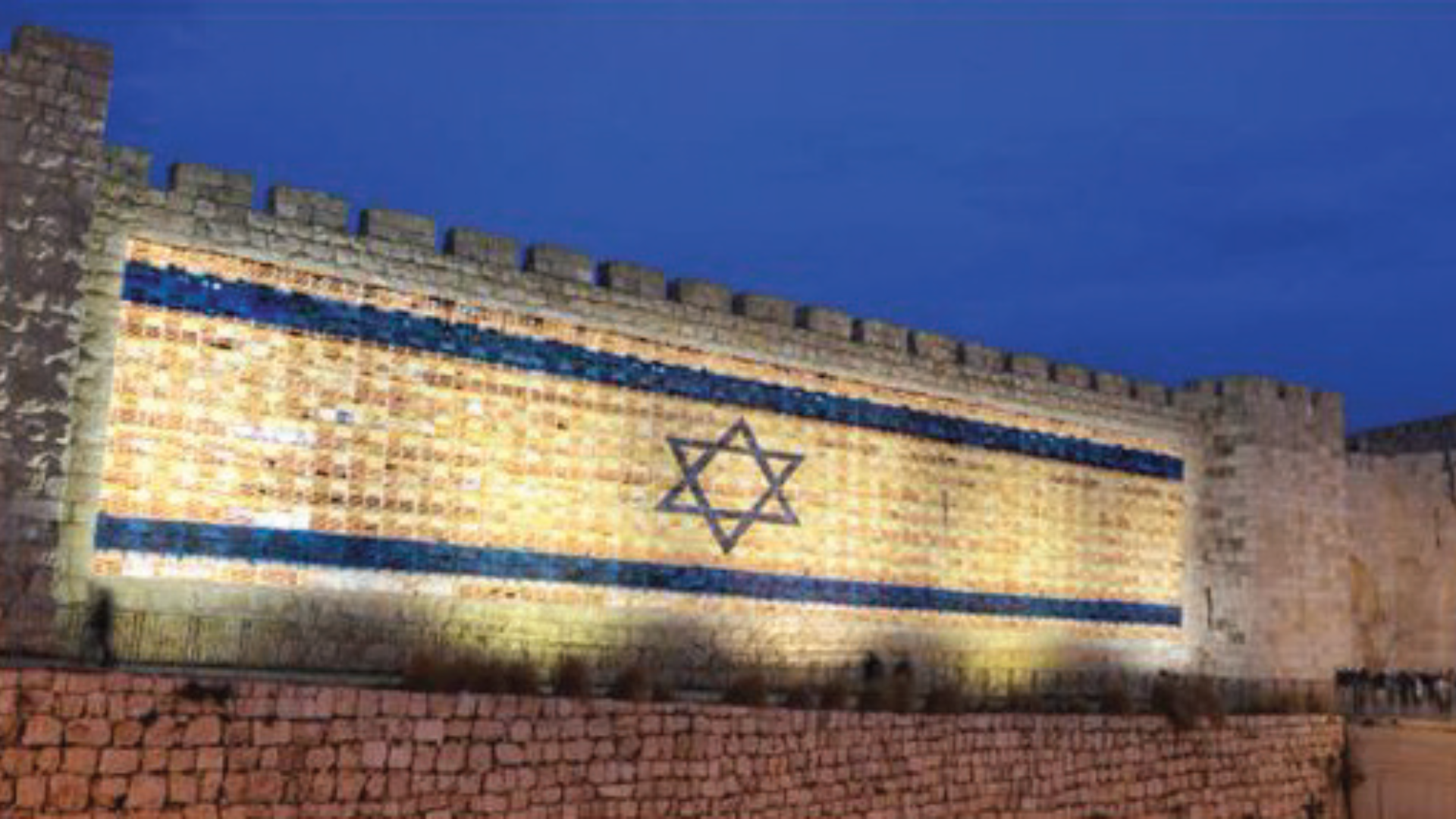
ELEM launches the Annual Lights of Hope Campaign. Lights on buildings are lit once a certain amount is donated. As more funds are raised, more lights are added, and the Israeli flag made of lights is completed. This campaign runs for years, first on the building of the Electrical Company, then on the wall of the Tel Aviv City Hall, and finally, on the walls of the Old City of Jerusalem.
ELEM Digital is also launched, one of the only programs of its kind in Israel. Recognized as a global leader in virtual therapeutic interventions, this program provides nightly chat support, online outreach, and a virtual clinic for short- and medium-term treatment.

2005
ELEM opens its first King’s Way center in Be’er Sheva, which is meant to assist graduates of the Youth Probation Services to live independently. ELEM had been assisting young adults following their graduation from our programs, as well as accompanying graduates through army enlistment since the 90s. This, however, is the first time ELEM works with the Youth Probation Services graduates. This rehabilitative program includes personal mentorship, help in acquiring vocational training, creating a sense of self-accomplishment among the young people, and more. During ELEM’s tenure, the program is expanded to 10 different cities.
2011
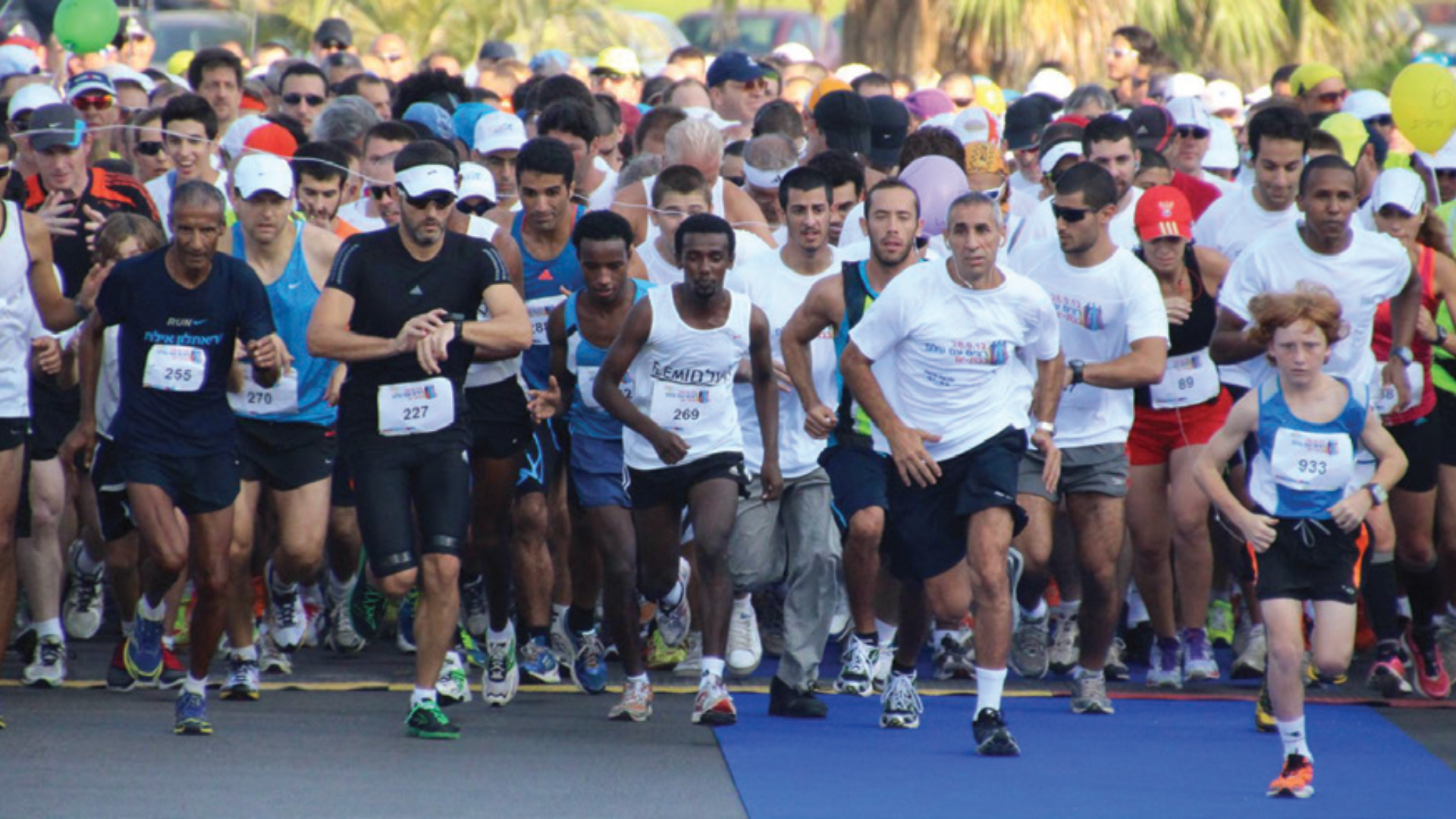
ELEM establishes the ELEM Race, a 6-mile run. The first race is held in Bat Yam, and it becomes an annual tradition that takes place in multiple cities. ELEM youth and supporters alike participate. Sports is something ELEM uses in its centers as a way to bond and channel aggression toward something positive.
2013
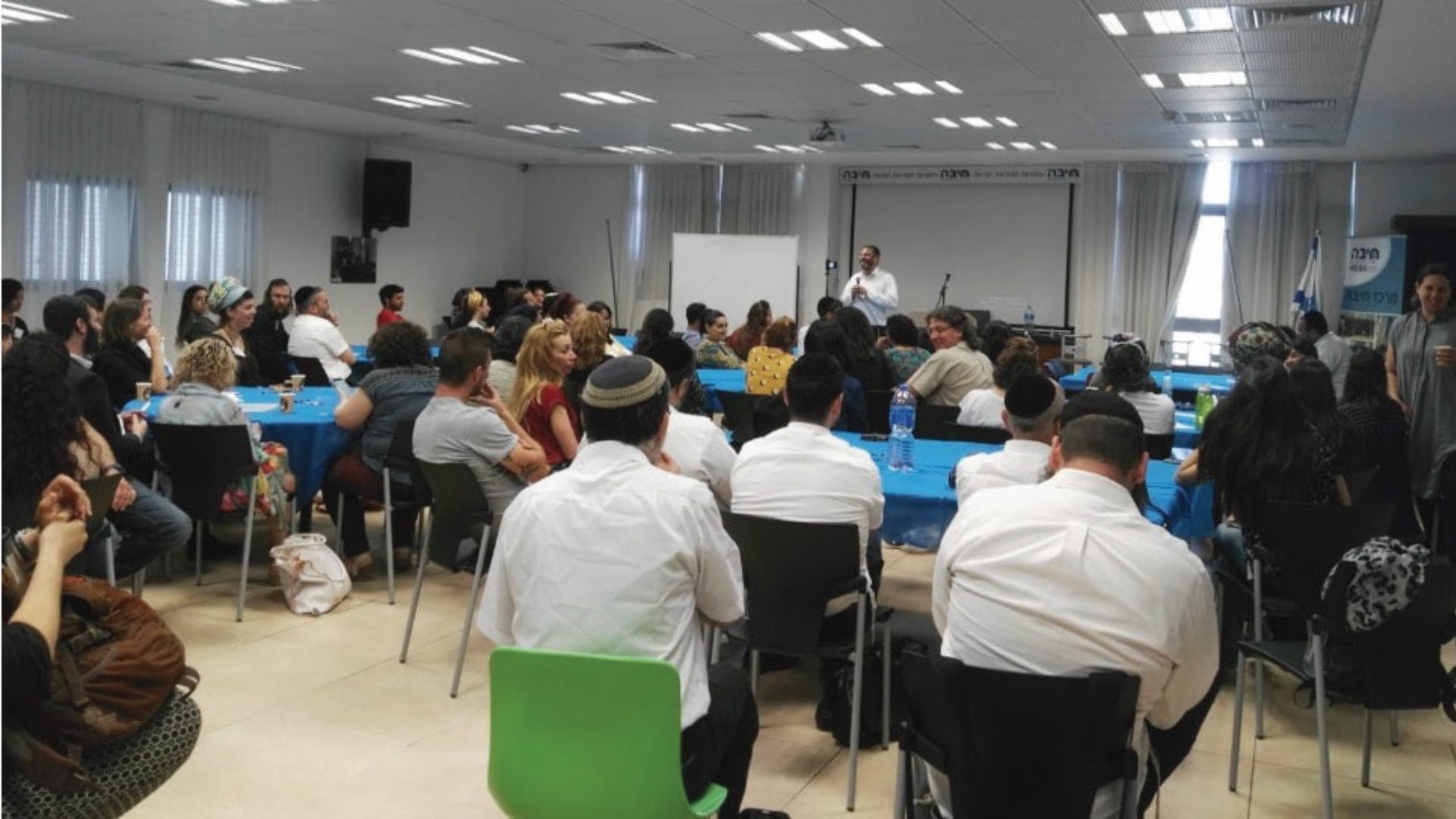
Members of the Haredi community take key positions at ELEM, enabling the expansion of ELEM’s work with the community and a better understanding of its needs. To this day, ELEM actively seeks to serve in more locations and hire staff from within the community.
2014
ELEM’s HaLev (The Heart) 24/7 shelter opens in Tel Aviv, making a major expansion of the work with homeless youth and youth in prostitution. This is ELEM’s first time collaborating with the municipality and government on creating a treatment model.
2015
The first Youth in Homelessness subcommittee is launched in the Knesset. ELEM youth participate in the discussions and share their own stories and life experiences.
2017
The Friendship House, ELEM’s first shelter for homeless teenage girls and young women, opens in Jerusalem. In addition to lodging, the women receive legal assistance, aid with medical exams, and information to promote independent living. Many girls who spend a few months at the shelter become able to rent their own apartment, thanks to the assistance they received.
2019
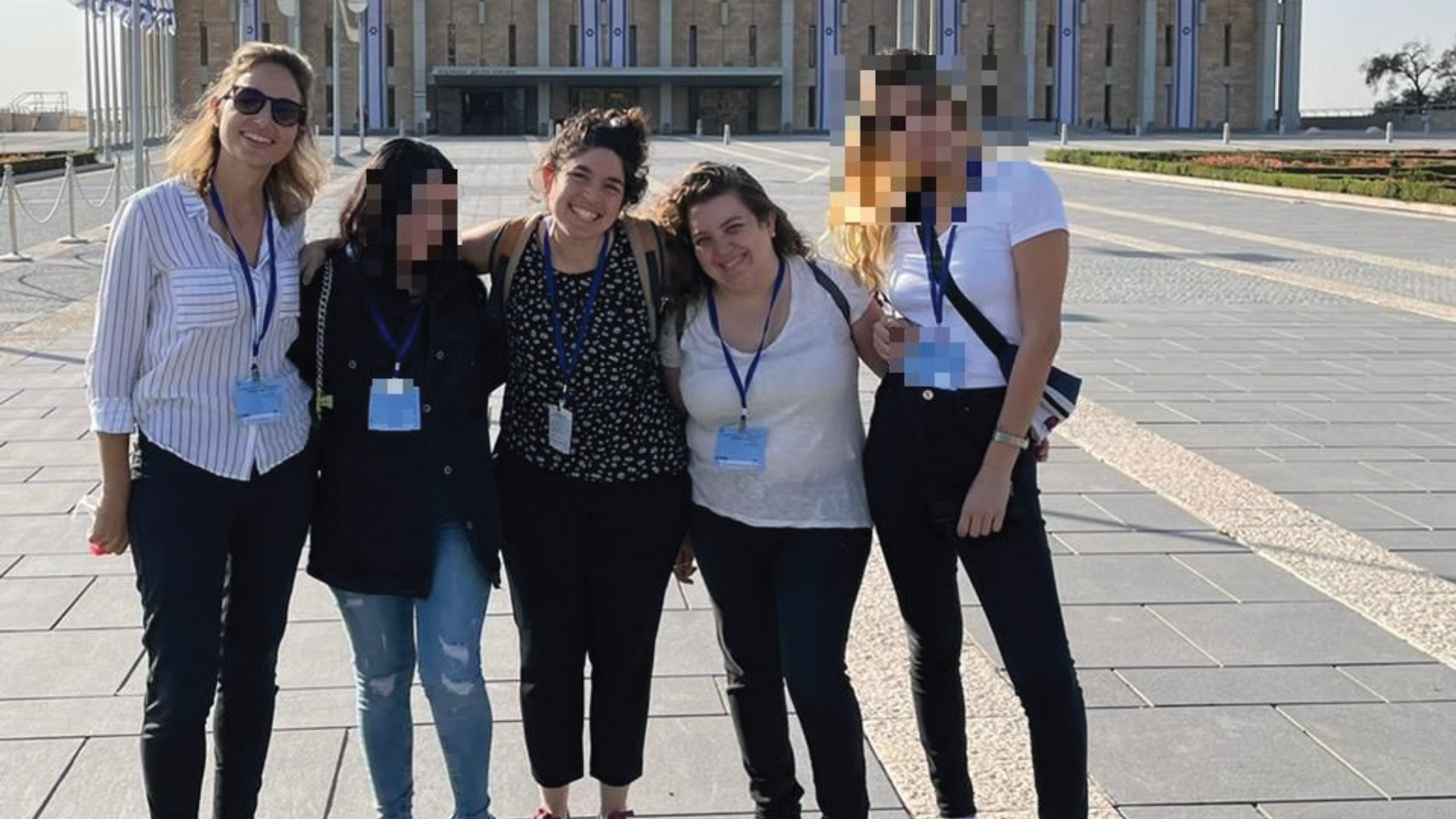
ELEM receives a Special Consultative Status from the Economic Social Council of the United Nations in the field of at-risk youth, farther establishing itself as a world-renowned organization.
2020
During COVID-19 lockdown, ELEM receives special status as an Emergency Services Provider. ELEM staff continue to reach out to youth on the streets and online, keeping in daily touch with them through texts and phone calls.
ELEM also participates in I See You, an initiative launched by the Ministry of Welfare. ELEM goes on the streets in specified municipalities – many of them in the Arab community – to locate youth who cannot safely stay at home, providing them with immediate assistance when needed.
Lastly, ELEM’s Young Mothers at Risk program is launched, helping young mothers with financial planning, preparation for job interviews, securing their rights, and sometimes simply going to the store to buy food and supplies together.
2022
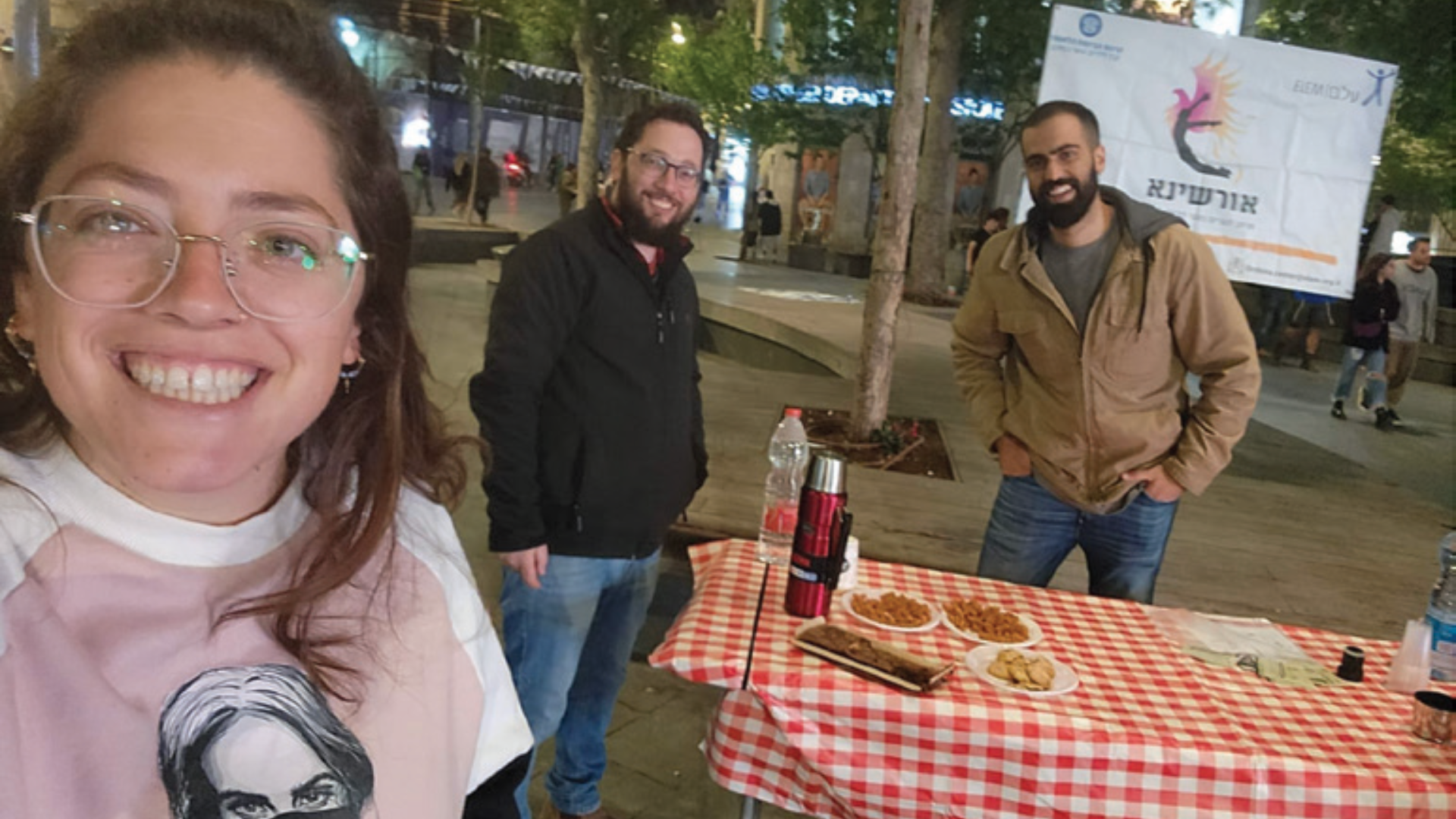
Orshina, an ELEM program dedicated for teenage boys and young men who have experienced sexual violence, opens in Jerusalem. This is the first of its kind in Israel, as treatment for sexual violence is typically focused on girls only.
2023
Just 48 hours after October 7, ELEM opens its first two emergency Breathing Spaces, providing immediate emotional support to youth displaced by the attacks and war. ELEM vans arrive, set up shop, and offer mental health support in an informal setting.
2024
ELEM’s Yuvalim program is launched. This initiative serves young survivors of the Nova Festival and the October 7th attacks — individuals who witnessed extreme violence, experienced the loss of friends and family, and continue to live with symptoms of trauma, anxiety, and grief.