
Homeless Shelters
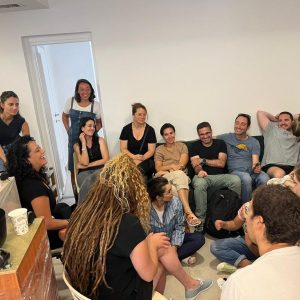
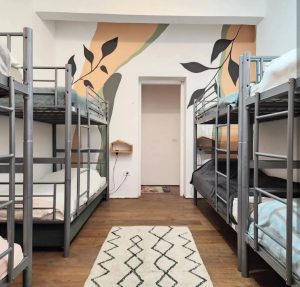
ELEM’s shelters, located in Jerusalem and Tel Aviv, provide harm-reduction spaces and trauma-informed counseling for young people — both boys and girls — living without stable housing. Our teams reach those in the most vulnerable environments – public spaces, abandoned buildings, and high-risk areas such as places of prostitution – and offer immediate refuge and long-term support. Homeless youth in Israel are often isolated and are in dangerous environments. They experience abuse, hunger, untreated mental illness, and substance use. ELEM builds trust with these youth and creates pathways toward healing and reintegration.
The shelters support young adults ages 14-26 who have endured trauma, poverty, and systemic neglect.
Many of them will not accept care from traditional social services. Our staff connect with them in the spaces where they survive – on the streets, in clubs, and online - and are able to reach them emotionally and physically when others cannot.
Rather than imposing rigid expectations, we offer an accepting relationship that allows youth to regain stability, rediscover their own agency, and reintegrate into society. For many, it is the first time they are truly seen, valued, and supported.
What Happens at the Shelters
Youth receive urgent essentials: a warm bed, hot meals, showers, clean clothing, hygiene supplies, and access to medical and psychological care. Staff provide personalized support, including counseling, legal guidance, and navigation of public services.
Young people are invited into therapeutic programs that foster long-term recovery and emotional resilience. Every service is grounded in respect, cultural sensitivity, gender awareness, and shared decision-making.

Reaching the Margins of Israeli Society
ELEM’s shelters are open to all youth, including Jewish, Arab, Christian, Druze, immigrant, and LGBTQIA+ communities – many of whom experience multiple layers of marginalization and exclusion.
Among young women in the shelters:

100% face homelessness, poverty, and malnutrition
-
93% have endured sexual abuse
-
87% have suffered physical violence
-
80% struggle with substance use
-
71% have been involved in prostitution